Colonialism in India: Dr Bhimrao Ramji Ambedkar
In this workshop, students will be introduced to the basics about British colonialism in India (if they have not already done the introductory workshop), and then we will focus on a key figure who found a way to work around some of the most negative aspects of British colonial rule, and take up opportunities that were made avaialbe to him because of British rule in India, that would benefit both himself and other low caste Indians. Bhimrao Ramji Ambedkar, usually known as Dr Ambedkar, was an Indian born into a low caste. British colonialism enabled Ambedkar to gain a good education, which was unusual for members of the low castes. The British set up three universities in the 1850s and Ambedkar attended one of these in the early 1900s, after which he then went to study at a university in America and then in London. Ambedkar was not fully opposed to British colonialism, but more concerned with the plight of the lower castes, known as Dalits. He believed that India can never be truly free until the lower castes are free from the oppression they suffer. Ambedkar eventually decided to reject Hinduism, because he wanted to reject the caste system. Students will study some of the writings of Ambedkar, and asked to consider whether he was right to take advantage of opportunities he had access to because of colonial rule in India.
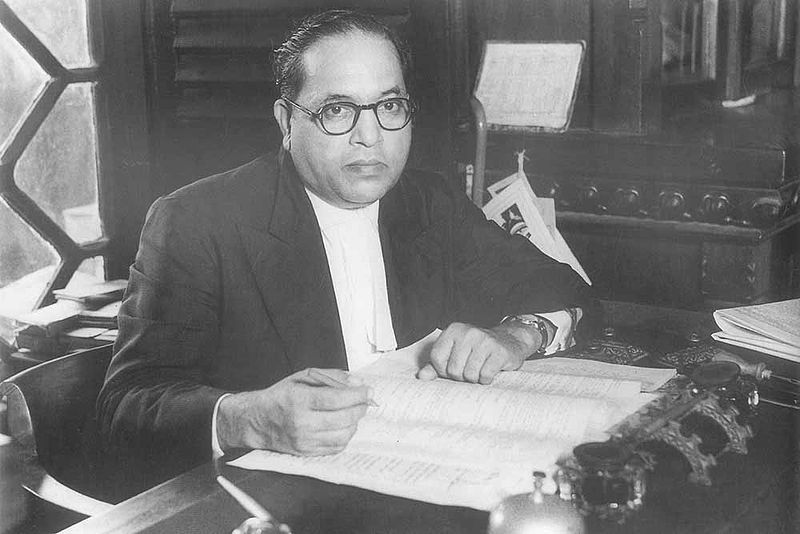
A photograph of Dr Ambedkar
Curriculum for Excellence subjects and skills:
SOC 3-01a / SOC 4-01a / SOC 3-02a / SOC 4-02a / SOC 3-03a / SOC 3-04a / SOC 4-04a / SOC 4-04b / SOC 4-04c / SOC 3-05a / SOC 4-05c / SOC 3-06a / SOC 4-06a / SOC 3-06b / SOC 4-06b
National Curriculum subjects and skills:
History: Development of Church, state and society in Medieval Britain, 1066-1509: First colonies/ first contact with India. Ideas, political power, industry and empire: Britain, 1745-1901: The development of the British Empire. Challenges for Britain, Europe and the wider world 1901 to the present day: Indian independence and the end of empire. Understanding how Britain has influence and has been influenced by the wider world, learning to ask perceptive questions, think critically, weigh evidence and develop perspective and judgement.
RE: Learning about the history of Hinduism and Buddhism. Learning about relationships between religion and politics.