Colonialism in India: The Bombay High Court
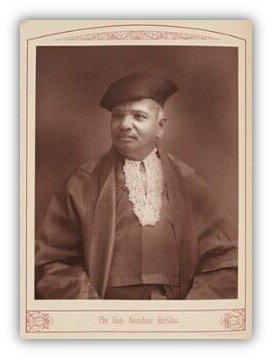
In this workshop, students will be introduced to the basics about British colonialism in India (if they have not already been introduced to it). Given the problems with British colonialism in India, could you imagine any institution such as a court continuing on after Indian independence? This is what happened with the Bombay High Court. In this session, we will discuss how a colonial institution, comprised solely of white British judges during the period of colonialism rule was able to continue after colonial rule ended. Did these judges preside over legal cases before them fairly? And demonstrate a level of morality, equality and fairness otherwise less evidence during British rule in India? Students will learn about the first permanent Indian judge elected to this high court, Nanabhai Haridas (pictured). Through an exploration of his life, we will ask questions relating to moral values, moral principles and justice, and set the students moral and ethical questions to discuss.
Curriculum for Excellence subjects and skills:
SOC 3-01a / SOC 4-01a / SOC 3-02a / SOC 4-02a / SOC 3-03a / SOC 3-04a / SOC 4-04a / SOC 4-04b / SOC 4-04c / SOC 3-05a / SOC 4-05c / SOC 3-06a / SOC 4-06a / SOC 3-06b / SOC 4-06b
RME 3-05a / RME 4-05a / RME 4-05b / RME 3-09b / RME 4-09a/ RME 4-09b / RME 3-09d
National Curriculum subjects and skills:
History: Ideas, political power, industry and empire: Britain, 1745-1901: The development of the British Empire. Challenges for Britain, Europe and the wider world 1901 to the present day: Indian independence and the end of empire. Understanding how Britain has influence and has been influenced by the wider world, learning to ask perceptive questions, think critically, weigh evidence and develop perspective and judgement.
RE: Learning about the history of Indian religions. Learning about relationships between religion and politics.